Games I Beat - 2025
2025 was a pretty tough year for my personal life, but it was a great time for some great games. As before, I’ve written this piece about all the games I rolled credits on. This does not include several games, some that I simply dropped before finishing, and some that are just “infinite” games — multiplayer stuff, roguelikes that I did not meaningfully beat, etc.
Echo Point Nova (2024) [PC, Credits & All Scans]
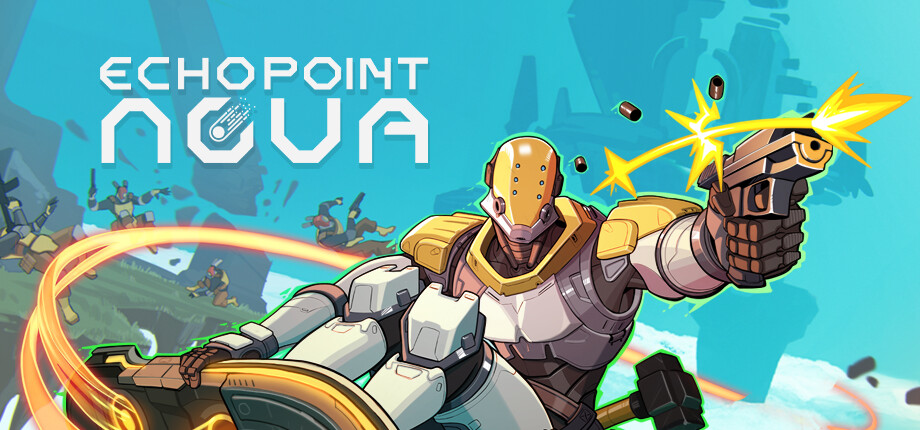
One of a recent crop of “movement shooters” — FPS games that focus on giving the player more movement options. It kinda feels like the movement shooter. How can you possibly have more movement than this? Multiple jumps, grappling hook, and hover board make for a ton of toys in this game’s sandbox.
This isn’t the most challenging game — it’s clearly meant to just be fast and fun. Echo Point Nova has some very cool tech going on, even if many of the non-movement systems felt a bit lacking. That might be due to me “optimizing the fun out of the game” by playing so much side content before progressing the main game. This meant I always had a boatload of points to use on perks, and never had to make any tough choices about my loadout.
But the game is just so fun in a visceral, moment-to-moment way that I really wanted to do all the side content! Heck, I might even 100% it at some point.
Cave Noire (1991, GB, Trans. Aeon Genesis)
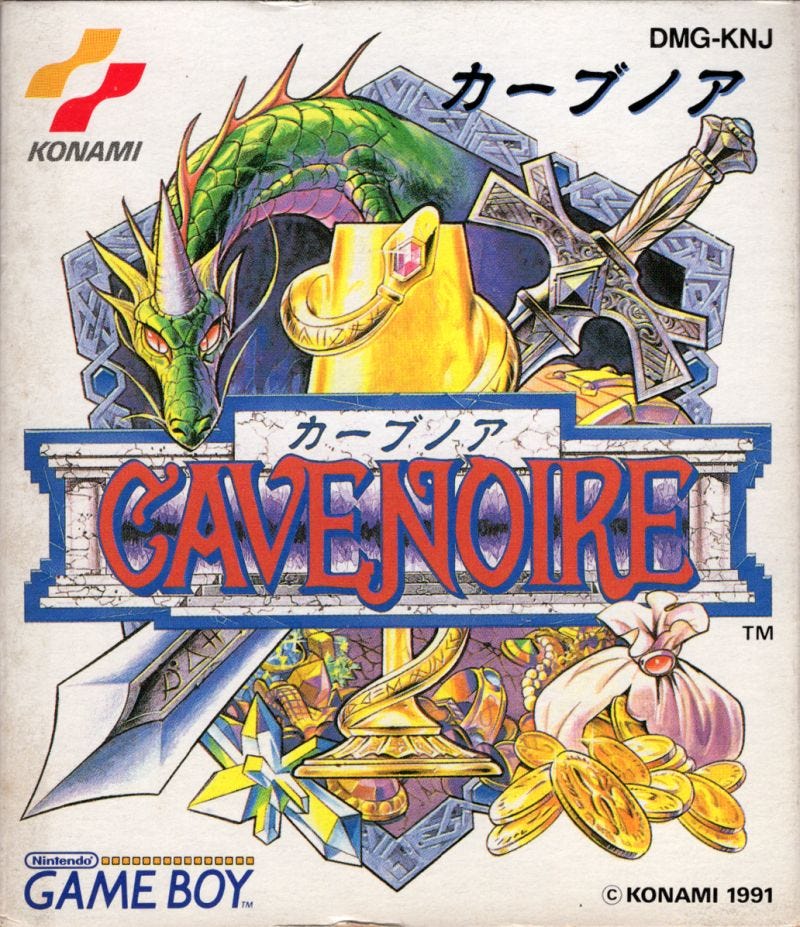
I adore Cave Noire. This is a remarkable (and fairly early!) Game Boy game that feels like it truly gets the fun and tactics of the more puzzle-y roguelikes. It’s got a super simple set of rules that helps it all feel “fair”, even on runs where luck doesn’t lean in your favor. The predictable monster movements make it feel especially rogue-ish: the player is has to sneak around, choose their battles wisely, and utilize their items to survive and achieve their goal.
The game features four different dungeons, each with a unique win condition (defeat monsters, collect items that take up inventory space, collect gold, and free imprisoned fairies). As you beat a dungeon, you unlock the ability to play it with a more difficult target. My only issue with the dungeons is their numbering; I feel numbering them differently would better guide players to learn the systems and improve at the game. For those interested, here’s my recommended order from easiest to hardest: 1. Gold 2. Monsters 3. Fairies 4. Orbs
Split Fiction (2025, PC, Online)
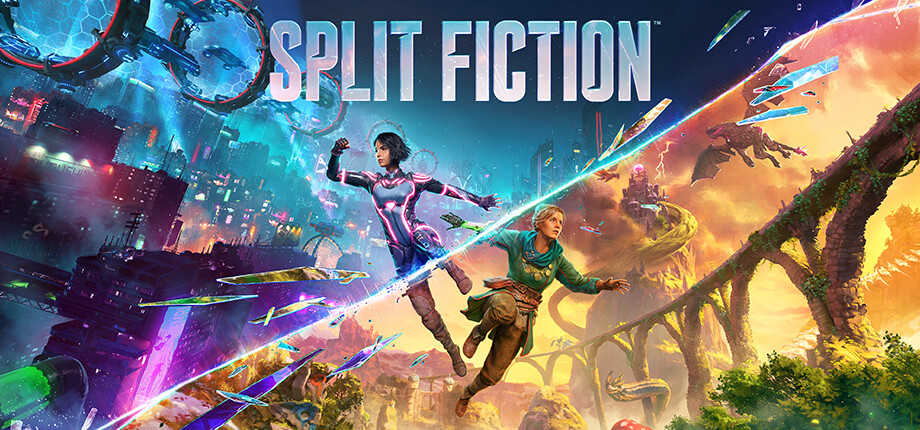
Split Fiction is bombastic, varied, fun, and (I say this lovingly) kinda dumb. It’s the popcorn-blockbuster-movie version of a story-driven co-op game. It uses the game equivalent of pop music’s “surprise every 30 seconds” maneuver to bounce the player between a bunch of different modes of play. That’s not to say I don’t enjoy it – it’s still very fun, and being co-op helps with that.
The narrative is crummy in a way that may or may not be intentional. It makes some sense that a big tech company would try to exploit un-published and hopeful authors. Even if part of the reason why they were unpublished is that their stories are super cliche. But hey! That won’t stop big tech from trying to exploit them.
Regardless, it never dwells on anything too long, and the story is decent enough and fun to riff on with your co-op buddy. I hope we see more co-op games in the future thanks to the success of this one.
Mirror’s Edge (2009, PC)
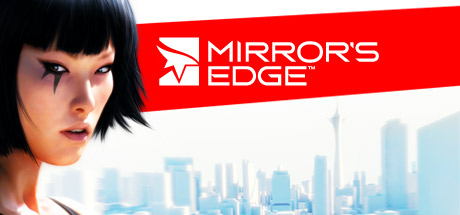
This is one of my go-to “weekender” games when I want a fun and familiar experience that doesn’t take up too much time. That said, the PC port is a stinker due to a locked low field of view (FOV) and little control over mouse sensitivity and acceleration.
Regardless, it’s still a solid game with a unique focus and style of parkour that few first-person games have explored. Lots of modern first-person games have some movement tech, but it’s often a side dish to shooting and simplified or automated as a result. There just isn’t much (outside of a few indie titles) with such a deliberate focus on first-person movement.
Super Mario Galaxy (2007, NS, 3D All-Stars)
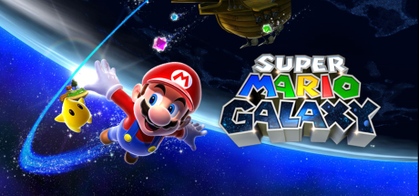
This was my first time beating Galaxy, and my first time playing it in many years. The full orchestra soundtrack is lush, and the game super polished (aside from inevitable camera jankiness with outer space), but it still didn’t stick the landing for me.
Due to the 3D All-Stars collection, I played this shortly after playing through 64 and Sunshine, which might have done Galaxy a disservice. Structurally, they all seem similar (3D platformers centered around a hub and spoke central area where each spoke re-uses maps in different ways for each stage), but Galaxy is far more interested in being a guided experience from beginning to end than 64 or Sunshine. In practice, this makes the game a lot easier and the stages more linear, less playful.
I feel that 64 and Sunshine were fine with having challenging areas in the “main” path of the game, and encouraging open-ended play and exploration for less-skilled players. But Galaxy seemed afraid of the player getting stuck in the main path of the game, and I think the design and gameplay variety suffer as a result.
PaRappa the Rapper (1997, PSP Remake)
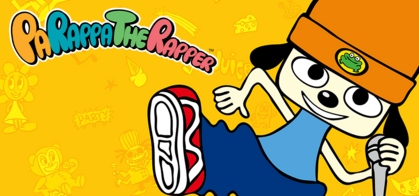
PaRappa is an interesting early rhythm game. Its call-and-response structure is something I haven’t seen many other places (Rhythm Heaven is the closest comparison I can think of).
The real reason why PaRappa matters is because of its unique sense of style and how grounded its story is. Sure, it’s talking animals and vegetables and the like, but the game focuses on PaRappa overcoming typical teenage problems — learning to drive, being nervous on a date, scrounging up cash, and the like.
It’s all depicted in lovely paper-like dioramas, brightly colored and cartoony in the extreme. I found the game relatively easy and short, but that was no surprise. I’m not sure how you would expand on this, or if you even really should expand it for a longer, more in-depth experience. It’s a good time overall.
I strongly recommend Mike Sholars’ book about the game, published by Boss Fight Books. He provides both a personal anecdote and some terrific background on the game’s development and its cultural origins.
Skin Deep (2025, PC)
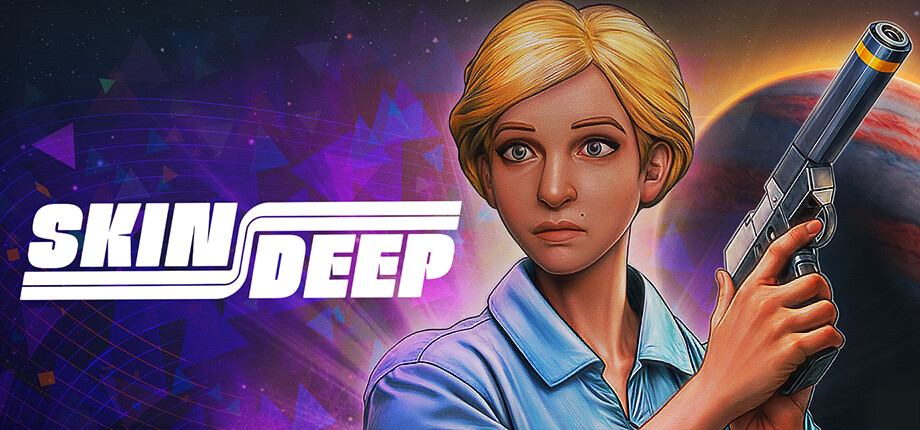
Emergent mechanics and systems design are some of my favorite things about games, and the immersive sim (“imm-sim” for short) genre has both of them in spades. Due to their complexity, there hasn’t been many imm-sims in the indie games space until very recently. Skin Deep is Blendo Games’ take on an immersive sim, and it’s a blast.
The world of Skin Deep is a weird and wonderful far-future, filled with space travel, talking cats, and body modification that enables you to “swim” in local space. The whole setting operates on a sort of cartoon logic that makes for an especially fun (and relatively non-violent) sandbox. Unlike some big imm-sims, Skin Deep doesn’t have any kind of permanent upgrades or inventory you keep between missions. This can be frustrating if it’s something you expect from the game, but I loved having to scrounge around and use my wits and the environment to puzzle-solve my way out of sticky situations.
The presentation of the game is especially stylish, with its warm, muted colors and terrific soundtrack (complete with radio interstitials for world-building!). My one complaint about the visuals is that the abstract blocky cats and the slightly-higher-fidelity human models clash pretty significantly, but it never prevented me from enjoying the game. Most enemy grunts are masked, which helps prevent some of that clashing. But poor Nina’s in-game model looks a bit rough.
Overall, Skin Deep is stylish, wildly inventive, and a lot of fun. I strongly recommend folks check it out. Hopefully we’ll see more indie imm-sims soon!
Dragon Warrior I (2000, GBC, Lv.21)
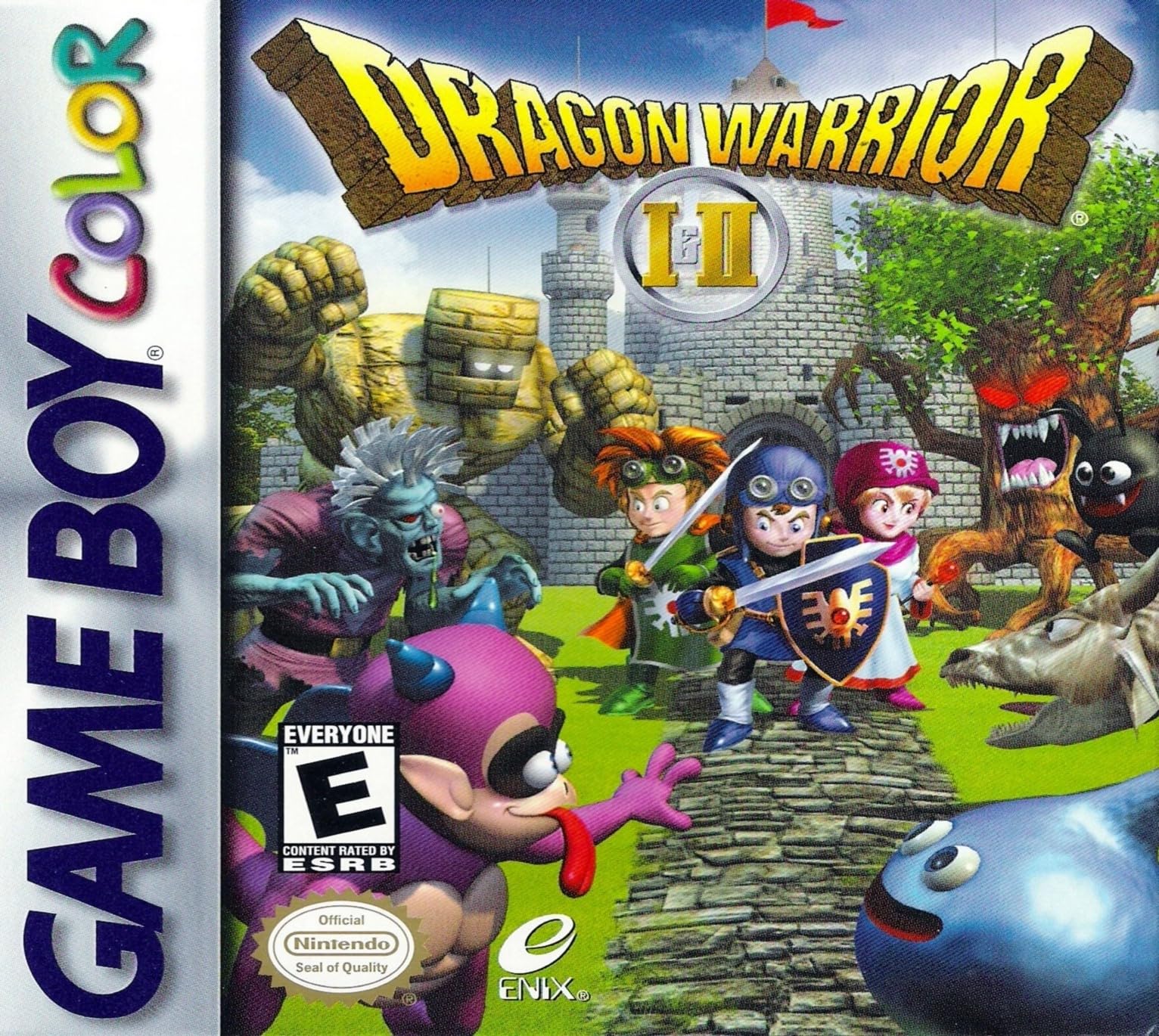
This game was a lucky case where my circumstances were perfect to fully enjoy it. I was laid off from my job of five years recently, and my mental health had taken a major hit. So I sought a game that was straightforward, with clear objectives and good sense of progression. This ur-JRPG suited that situation perfectly.
I chose to play the Gameboy Color remake of Dragon Warror I (AKA Dragon Quest) both because of its quality of life additions and my affinity for the Gameboy. As a result, my Dragon Quest experience was on a handheld, and with my phone’s notes app at hand. The intertwining progressions of both information gathering and experience/resource gathering worked together nicely. I never felt especially dragged down by a need to grind for experience since my natural exploration and info gathering led me to getting plenty of XP. This might have been helped by the GB version’s double XP compared to the original
The map design in this game is terrific. Everything radiates outward from the central castle like a series of nested spirals. This design is a natural choice since the the castle is the only true way to save the game, but I think it’s an excellent structure for this style of game regardless.
The combat of the game is super bare-bones. That’s not surprising considering how novel it was at the time, but it certainly wouldn’t stand up to the complexity and variety in most games now. In combat, I enjoyed the monster sprites the most. The art style was conveyed perfectly, even on such a small screen.
In all, this felt like a sort of “JRPG in miniature”, and I was grateful for that. Most JRPGs feel overlong, but this one hit the spot for me, and at just the right time. I look forward to seeing how this series and the “family tree” of JRPGs grows over time.
Super Mario Odyssey (2017, NS, Credits at 121 moons)
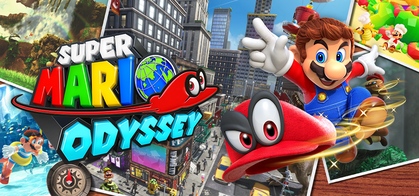
Like Super Mario 64, this game felt like it was leaning toward the “sandbox” style 3D Mario game. Albeit with much of the 64’s sharp edges sanded off, and a lot more bells and whistles (and hats).
The most welcome sanding-off is the ability to collect multiple course items (moons here, stars in 64) without the need to re-enter the area. I’m sure this was primarily a decision made for technical reasons in 64, but it also enabled the designers to make changes to courses between visits. That said, I’m grateful I didn’t have to do the leave-and-return process for all the moons in this game!
Mario in 64 was a bit finnicky. It took practice to control him effectively, and to pull off every trick in his repertoire. This provided room for mastery from the start of that game. In Odyssey, Mario is far less finnicky, and in place of his earlier moves are several hat moves and a few transformations. The hat moves are reasonably fun, but with the exception of chaining together jumps and spin throws, they are all very easy to execute. As for the transformations, they were generally just OK. Most are one-note changes to movement, with the occasional transformation just for show (the dinosaur is pure spectacle and not especially fun to play).
The vast majority of the hat moves have both button and motion control options, but a few are motion-only and required for certain areas. This was a strange choice, and I wish the game was playable entirely without motion controls. In what is clearly a highly-refined control scheme for Mario, the controller-waggling feels much “looser” and less reliable.
My favorite minor part of the game was Luigi’s balloon hide and seek. I love asynchronous modes that allow one player to set up a challenge, and another player to attempt it. And both modes use the exact same controls! Very elegant stuff, and I would love to see more like it.
Mad Max (2015, PC)
The 2015 Mad Max game is about as textbook as modern open-world checklist games get. But with my fondness for the setting and the wild characters and tech in it, I still found myself wanting to explore and spend time in that world.
The highlight character (and the plot’s perpetual punching-bag) is Chumbucket, a master mechanic with a religious fervor for all things cars. I found his devotion to “the Angel Combustion” and the overall religious angle to his relationship with machines pretty compelling. And it makes a lot of sense in the world of Mad Max!
With Chumbucket’s repair skills, he can craft a powerful machine capable of surviving car combat with the world’s raiders and scavengers. The car combat in this game is a blast. The car’s nitro boost and ability to side-slam make it feel weighty and powerful. I honestly wish the game had more car combat, because the rest of the gameplay wasn’t nearly as fun.
On foot, most of what Max does is just walk around, grab collectibles and resources, and occasionally get in bouts of by-the-numbers Arkham-style combat. It’s in this area where the game is its weakest and its most obviously padded out.
I enjoyed this game as a sort of “solid B-game”, but I struggle to recommend it to folks. Unless you’re really itching for a game with this structure that is plain and predictable, you will likely be bored.
Grimstone (2024, PC, UFO 50)
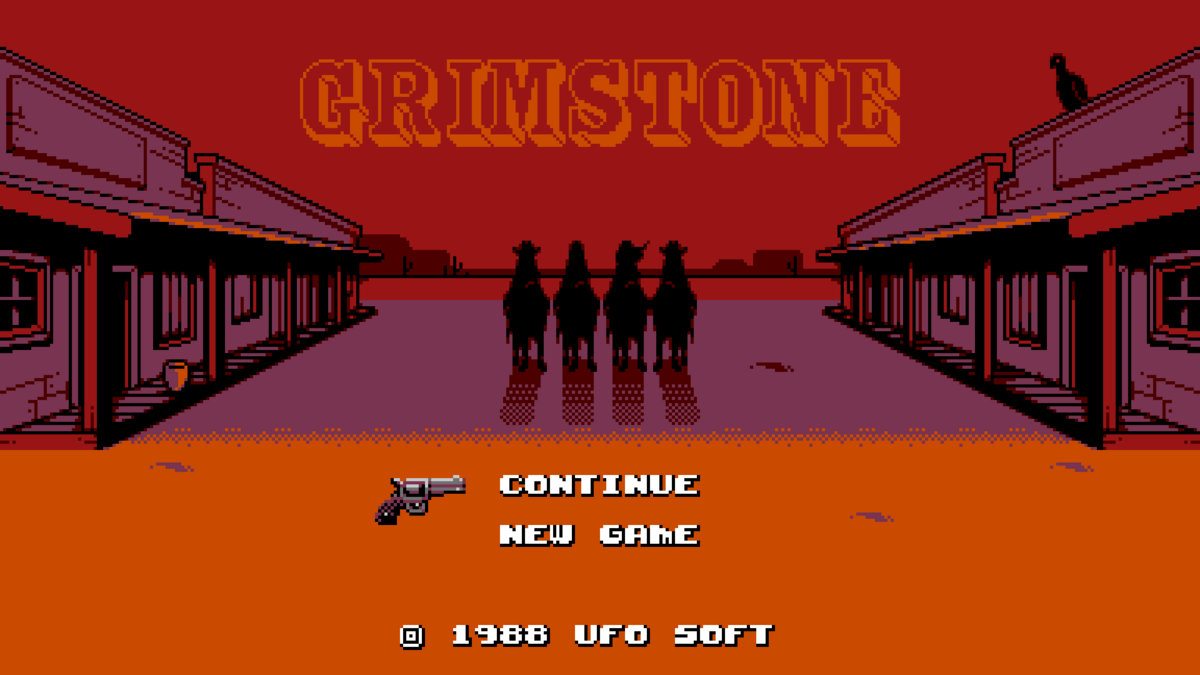
Grimstone is an RPG game by UFO Soft released in 1988 (within the fiction of UFO 50 at least). In many ways, it’s a standard JRPG game albeit with a unique setting, some nice quality of life touches, and a golf-style action bar combat system.
I adore the setting: old west meets apocalyptic fiction. The entirety of Texas (called “Lone Star” in the game) has fallen into hell, and you get to explore the new frontier. The “off-brand” Texas city names of Lone Star are delightful, and the individual character writing is sparse and deliberate. Characters don’t say much, but what’s present is striking. Additionally, the characters you choose for your party have individual quests and story beats that flesh out their background and personality. Plus, it’s a good reason to replay with a new party to see everyone’s story.
In addition to their individual stories, characters are mechanically defined by a combination of their stats and a list of abilities. This includes both passive abilities as well as abilities you can manually use in combat or while exploring. This inclusion of passive abilities helps differentiate the characters greatly, and makes them much more mechanically interesting than those in most contemporary (198X) games.
The combat is golf. Specifically, the start-press-press golf swing bar used in a ton of golf games for decades (in our real world). This opens up some interesting gameplay possibilities (e.g. a blindness status effect which hides the target highlight so you have to use your knowledge of the weapon to guess where it will be). Unfortunately, this also means that even if the enemies are total weaklings compared to your party, it still takes time and focus to fight them. Contrast that with combat in fully turn-based JRPGs where a high-level party can typically just mash “attack” and get through low-level enemies quickly.
This need for focus and the additional time required soured me on the game a bit, and made me not interested in a replay for the time being. The need to do timing checks for even the most basic attacks against the most basic enemies made it feel overlong and require way more focus than turn-based games. Even the Mario RPGs don’t require the player to do the timing checks in order to deal base damage. In those, the timing checks just provide a bonus.
UFO 50 is such a monumental work, and this game only one of the 50(ish). I have some criticisms of Grimstone specifically, but even if this doesn’t appeal to you, there’s such a variety of high quality stuff in the full product that I definitely recommend you give it a look.
Pokémon Card GB 2 (2001, GBC, Trans. by Artemis251)
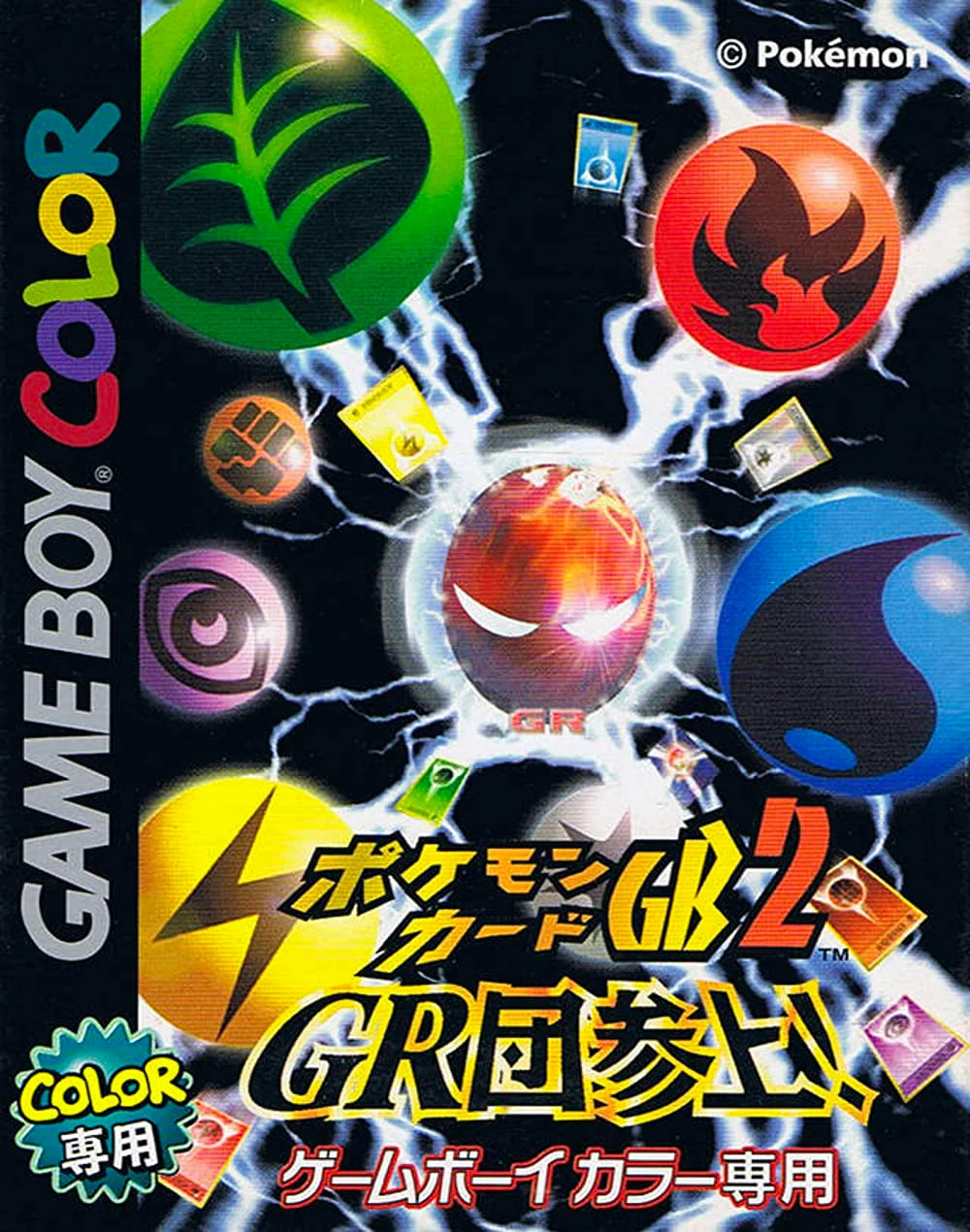
Standard disclaimer: I’m a fan of single-player adaptations of TCGs. I love being able to experience collecting, deck building experimentation, and play in a way that doesn’t require shelling out significant cash and keeping up with new releases.
In most ways, GB 2 is strictly better than the first game. In addition to the new cards, the latter half of the game introduces battles with interesting rules twists or deck-building restrictions. I love wacky formats and modifiers like this, and think they’re an excellent way to help players explore and understand the nuances of specific cards and systems of the game.
I want to give a shout-out to the translation and romhacking team for making it possible for me to play this game. Not only is the translation and hacking process a ton of work, but the Pokémon TCG Gameboy games have some very quirky text rendering to get all the text to show onscreen at once.
Mr. Sun’s Hatbox (2023, PC)
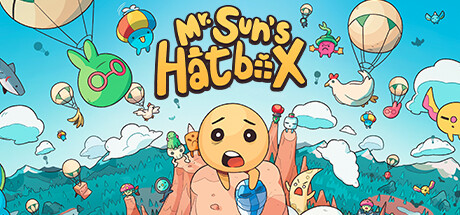
This is a game I feel deserves way more love than it’s gotten. It’s a side-view comedy stealth physics game and an absolute blast. You brainwash folks, take them on missions to steal or eliminate or kidnap, and upgrade your base between runs. Good, satisfying stuff. The ability to use the balloons to send people, hats, and weapons back to base is fun and breezy.
The game isn’t terribly long if you play smart. I did not play smart. In my hubris, I kept throwing my lowest-level folks at missions with few resources to hoard up for the (hypothetical) future. I’m sure and especially skilled player could beat the game like this, but that isn’t me. Only after grinding away at this for far too long did I bite the bullet and play how the game was intended to be played. And I enjoyedit once I did!
Yu-Gi-Oh!: The Sacred Cards (2003, GBA)
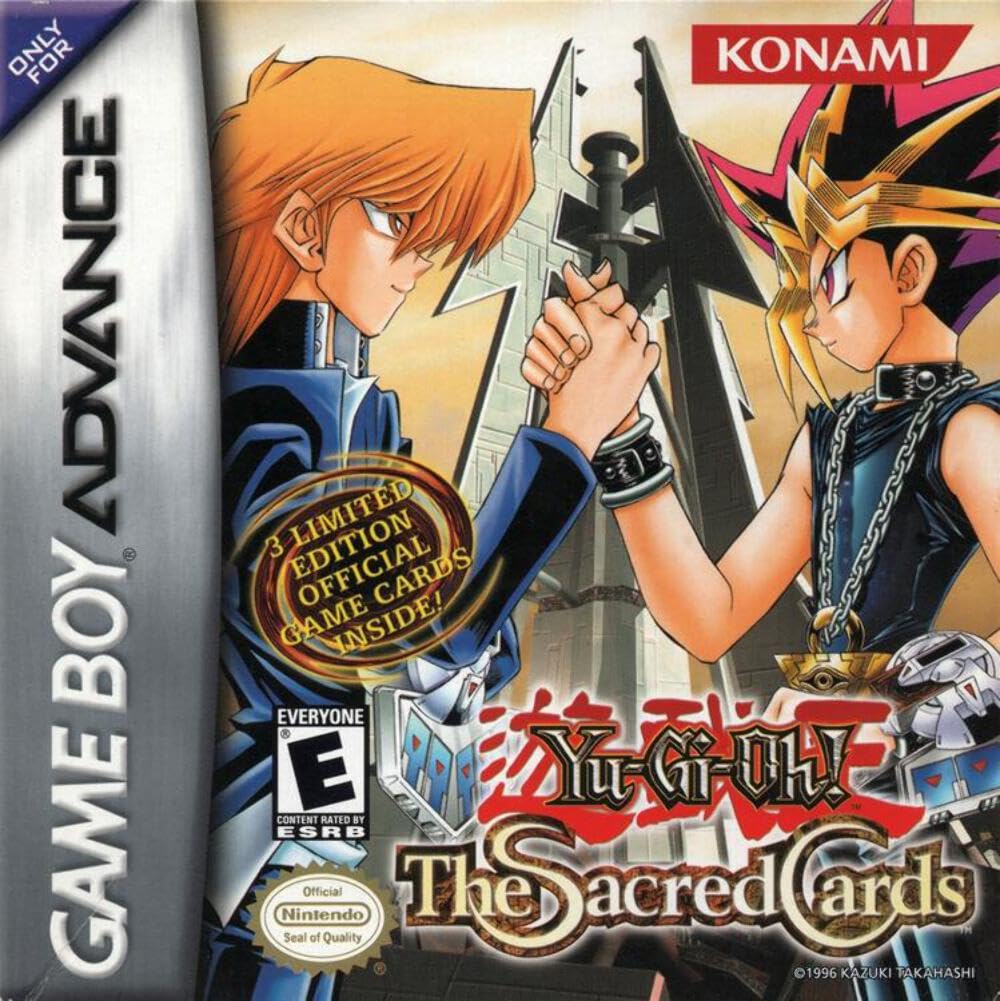
Yu-Gi-Oh! (“YGO” going forward) is having a bit of a moment lately: a new format called Genesys and a number of other good decisions by Konami have gotten lots of folks excited about the game. With all this hubbub, I wanted to do some YGO exploring myself.
Naturally, I did this in the strangest way possible: playing old games that don’t actually use the rules for the “real” card game.
The current YGO card game exists because a similar game was originally created for the manga and anime, but it took a while for the rules to really solidify. As a result, there are several games that act as fossils showing one evolutionary branch of the rules at different points. Some are clearly predecessors of the modern game, while others are evolutionary dead-ends. I find this stuff fascinating, and I love that the creation of single-player video games makes this sort of archeology possible.
Of these fossil games, The Sacred Cards was the one I stuck with. I did this primarily because the original Gameboy games have a fusion system that seemed to require trial & error and memorization to make it do what you want. Sure, that’s something players could explore, but it felt too opaque for me.
So how is The Sacred Cards? Honestly, just kind of fine. Like many of the early YGO games, it’s very much a matter of “big number on monster wins”. One key difference from the early physical card game is that there’s an elemental system, where different elements have strengths and weaknesses against others. A monster with an elemental advantage wins a battle regardless of the numbers involved. I enjoyed this system, since it meant that even the monsters with the biggest number could be defeated by targeting their Achilles’ heel.
Part of the reason why I was drawn to this game was its use of a “deck cost” system. In the game, cards have a points value associated with them, and the total points in your deck must be under a specific number that increases as you play the game. If this sounds familiar, that’s because it is: it’s the main innovation of the Genesys format! It’s funny how long it took the team to try something like this in the real world when a version of it has been around for ages.
Wrap Up
Regardless of the state of my personal life or the world at large, I look forward to what 2026 brings in games.
Hope you have a great year!